

Salesforce Email for Seasonal Campaigns: Planning, Segmentation, Timing & Volume Sending
Seasonal campaigns compress every email decision into a narrow window where timing, relevance, and deliverability all matter simultaneously. A renewal reminder landing before a customer's fiscal year-end reinforces value—the same email on a fixed date is background noise. The audience intelligence needed already exists in Salesforce.
Planning a Salesforce Seasonal Campaign Calendar Aligned to Audience Fiscal, and Industry Cycles
A seasonal calendar built around the vendor's fiscal year misses customers on different cycles. A financial services customer whose year ends in March responds to year-end urgency in February, not December. Four inputs build a data-grounded seasonal calendar: industry vertical (which determines the seasonal driver), customer fiscal year-end month, contact role level, and Opportunity close date distribution over the prior 12 months to reveal actual pipeline seasonality by industry.
Segmenting Seasonal Campaign Audiences from Salesforce Account and Contact Fields
Segmenting by industry, lifecycle stage, and deal stage converts at a higher rate. Three audience types require distinct seasonal messages: prospect campaigns (contacts with active opportunities, segmented by industry for urgency relevance), customer retention campaigns (segmented by health score and days to renewal—healthy accounts receive expansion messaging, at-risk accounts receive dedicated attention), and reactivation campaigns (closed-lost opportunities within 12 months).
Sending Seasonal Email Campaigns at Volume from Salesforce Without Daily Limit Constraints
A year-end campaign to 25,000 contacts that Salesforce's native 5,000-email daily limit spreads across five days arrives on day five with stale urgency. The recipient receiving a "three days left" message on December 29th is reading a different email than intended. MassMailer removes the daily limit, delivering the full seasonal audience on the planned date. The scheduled send feature queues campaigns in advance and fires them at a specific date and time.
Personalizing Seasonal Campaign Emails with Live Salesforce CRM Data
Three CRM data points convert a generic seasonal template into personalized communication: annual usage or send volume for a year-in-review hook, industry to route seasonal context (compliance for financial services, year-end giving for nonprofits, enrollment cycle for education), and account tier to calibrate the offer (year-end review for enterprise, expansion invitation for mid-tier, resource for standard).
Coordinating Multi-Wave Seasonal Email Campaigns in Salesforce
A multi-wave seasonal campaign builds urgency progressively and converts non-responders before the window closes. A three-wave structure covers the full decision window: wave one three to four weeks before close establishes the seasonal context and primary offer; wave two ten to twelve days before close sends a rewritten subject line to non-openers and a deepening email to those who opened but did not click; wave three three to five days before close sends a final urgency email with a specific deadline to all non-converters.
Measuring Seasonal Campaign Email Performance and Revenue Attribution in Salesforce
Two measurements connect the send program to revenue outcomes. Pipeline acceleration compares days-to-close for seasonal email-touched Opportunities versus untouched same-stage Opportunities. Retention impact tracks renewal rates for customers who engaged with the campaign versus non-engaged customers at the same tier. The
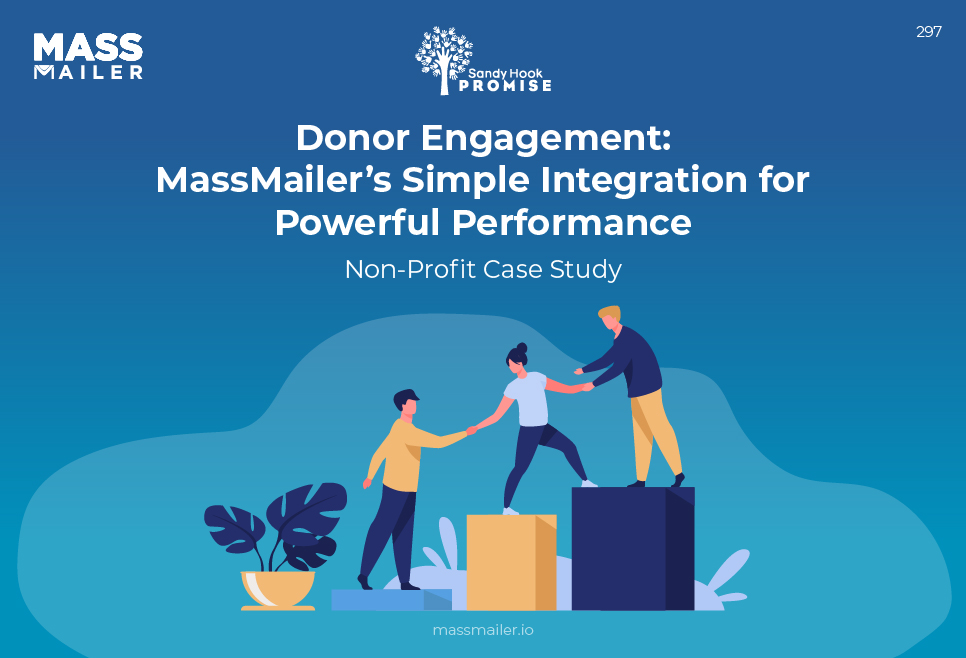
RPOA case study and Bay Club success story illustrate how Salesforce-native programs executed seasonal campaigns at scale without daily limit constraints diluting the timing of the campaigns they depended on.
Send Your Full Seasonal Audience on the Day the Campaign Needs to Land—Industry-Segmented Audiences From Salesforce Fields, Year-in-Review Personalization, Multi-Wave Urgency Sequences, and Revenue Attribution Back to Renewal and Pipeline Records
MassMailer delivers seasonal campaigns to full Salesforce Contact lists without the daily limit, personalizes each send with account industry, tier, and usage data, and attributes seasonal revenue to Opportunity and renewal records in Salesforce reports. Install MassMailer from the AppExchange.
Key Takeaways
- Seasonal campaign calendars should be built from Salesforce data, not the vendor's fiscal calendar. Four inputs: industry vertical (seasonal driver—fiscal year-end, peak season, or grant cycle), customer fiscal year-end month, contact role level, and Opportunity close date distribution over 12 months.
- Three audience types require distinct seasonal messages: prospect campaigns (contacts with active opportunities, segmented by industry), customer retention campaigns (segmented by health score and days to renewal), and reactivation campaigns (closed-lost opportunities within 12 months).
- MassMailer removes Salesforce's 5,000-email daily limit, delivering campaigns of any size in a single window on the planned date. The scheduled send feature queues campaigns for a specific date and time, prepared days or weeks in advance.
- Three CRM data points personalize seasonal campaigns: annual usage or send volume for a year-in-review opening, industry for vertical-specific seasonal context, and account tier to calibrate the seasonal offer.
- Three-wave seasonal sequence: wave one (3–4 weeks before close) establishes context and primary offer; wave two (10–12 days before close) rewritten subject line to non-openers and deepening email to non-clickers; wave three (3–5 days before close) final urgency email with a specific deadline to all non-converters.
- Two revenue attribution reports: pipeline acceleration (average days-to-close for seasonal email-touched Opportunities vs. untouched same-stage Opportunities) and retention impact (renewal Closed Won rates for customers who engaged with the seasonal campaign vs. non-engaged same-tier customers).